Our surgical dental services
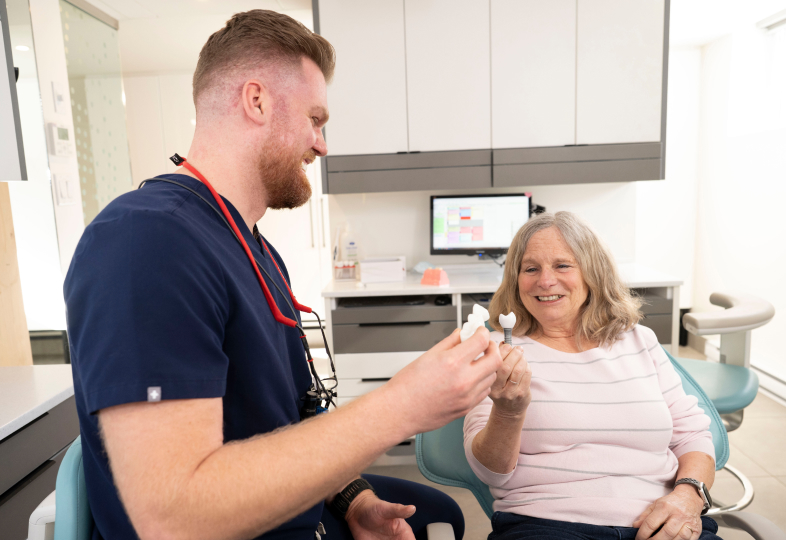
Surgical procedures can seem intimidating, but our team takes the time to explain each procedure and answer your questions. We use the most advanced techniques to provide precise and comfortable care. You are in good hands!
Wisdom tooth extractions
Preventing complications before they occur
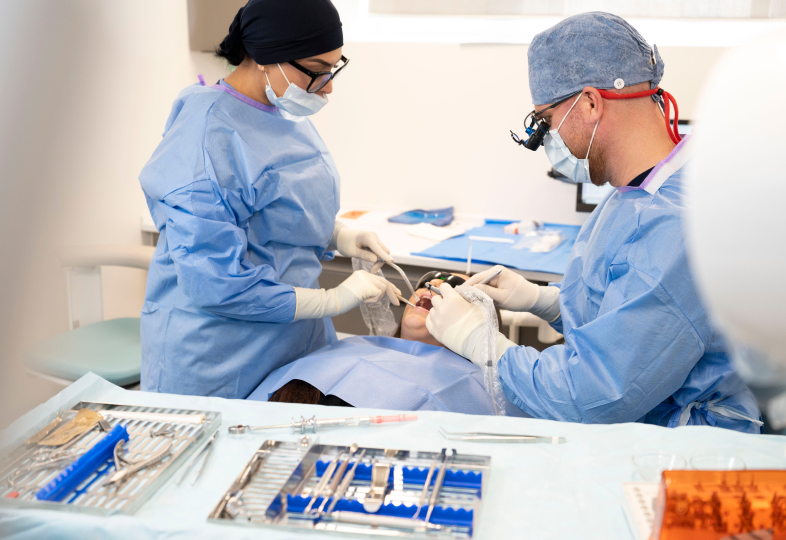
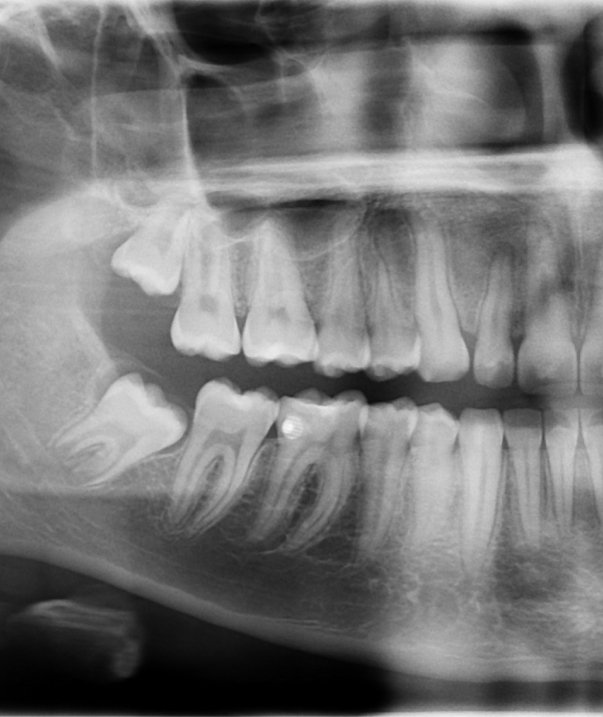
Wisdom teeth (or third molars) usually appear between the late teens and mid-twenties. While some people keep them their entire lives without problems, they can cause complications for others. When a wisdom tooth is partially impacted, it becomes difficult to clean properly and creates a space where bacteria can get under the gum, increasing the risk of infection and cavities. In such cases, preventive extraction is often recommended before the tooth is fully formed, in order to preserve the nerve beneath and avoid more serious complications.
Our dentists do not extract wisdom teeth routinely. We evaluate each patient individually, weighing the risks and benefits based on several factors, including age and overall health.
Learn more
Wisdom teeth (or third molars) usually appear between the late teens and mid-twenties. While some people keep them their entire lives without problems, they can cause complications for others. When a wisdom tooth is partially impacted, it becomes difficult to clean properly and creates a space where bacteria can get under the gum, increasing the risk of infection and cavities. In such cases, preventive extraction is often recommended before the tooth is fully formed, in order to preserve the nerve beneath and avoid more serious complications.
Our dentists do not extract wisdom teeth routinely. We evaluate each patient individually, weighing the risks and benefits based on several factors, including age and overall health.
Gum graft
Restoring the health and aesthetics of your gums
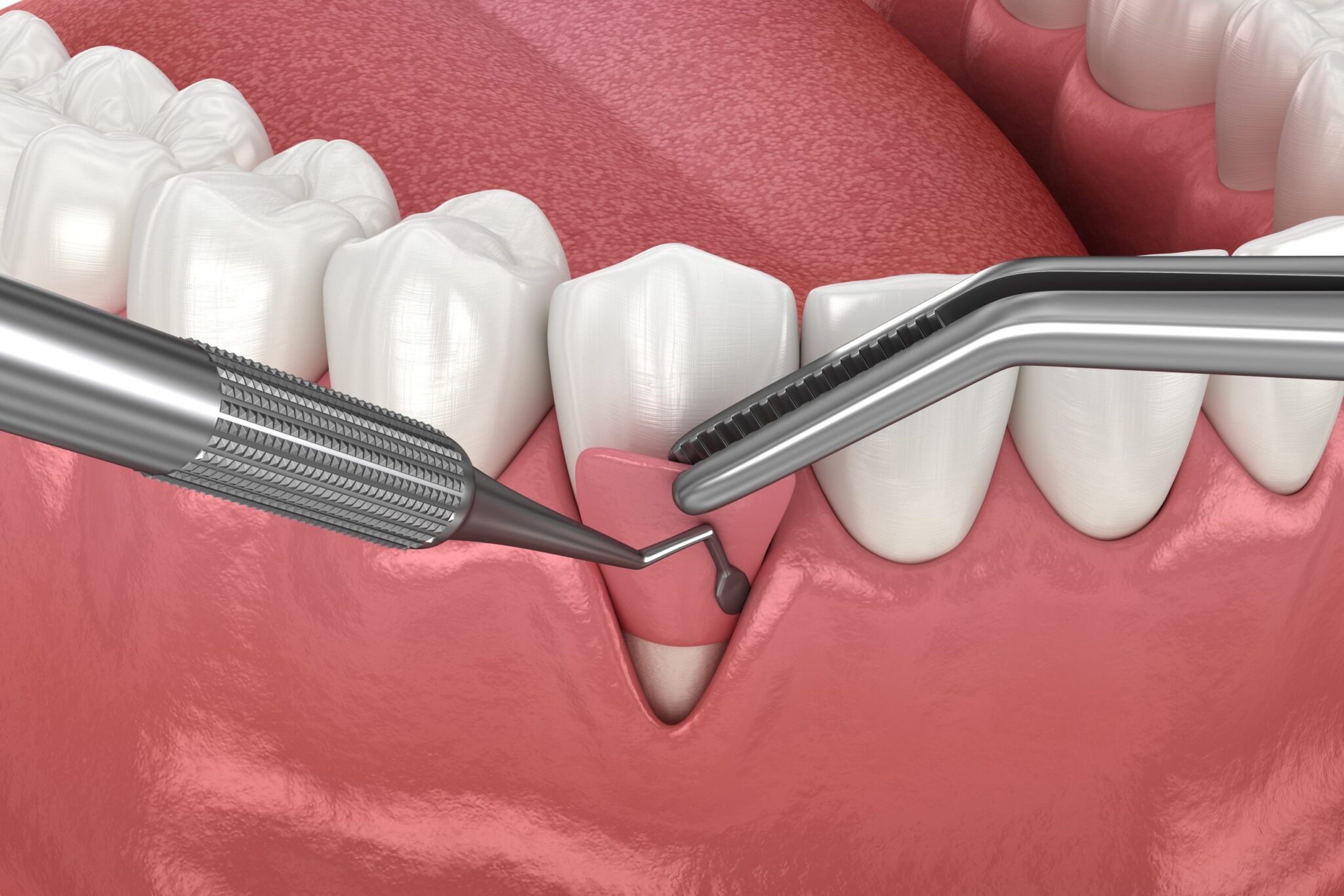
Gum recession, or the loss of gum tissue, is caused by a lack of keratinized (thick or firm) gum around the tooth. It is often worsened by traumatic brushing, excessive chewing forces, or misaligned teeth. The goal of a gum graft is to add this missing gum to improve, prevent, or stabilize the recession.
Performed under local anesthesia at the clinic, this surgery takes tissue from the palate and securely places it at the targeted area. In rare cases, a membrane from a donor may be used. With proper care, the results can last a lifetime.
Learn more
Gum recession, or the loss of gum tissue, is caused by a lack of keratinized (thick or firm) gum around the tooth. It is often worsened by traumatic brushing, excessive chewing forces, or misaligned teeth. The goal of a gum graft is to add this missing gum to improve, prevent, or stabilize the recession.
Performed under local anesthesia at the clinic, this surgery takes tissue from the palate and securely places it at the targeted area. In rare cases, a membrane from a donor may be used. With proper care, the results can last a lifetime.
Extractions
Preserving your health with gentleness and precision
When a tooth is too damaged or infected and cannot be saved, our team will extract it to protect your oral health. Extractions are performed under local anesthesia to ensure your comfort and promote a quick recovery. After the procedure, we can discuss replacement options to restore the function and aesthetics of your smile.
When a tooth is too damaged or infected and cannot be saved, our team will extract it to protect your oral health. Extractions are performed under local anesthesia to ensure your comfort and promote a quick recovery. After the procedure, we can discuss replacement options to restore the function and aesthetics of your smile.
Endodontics (Root canal treatment)
Save your natural teeth
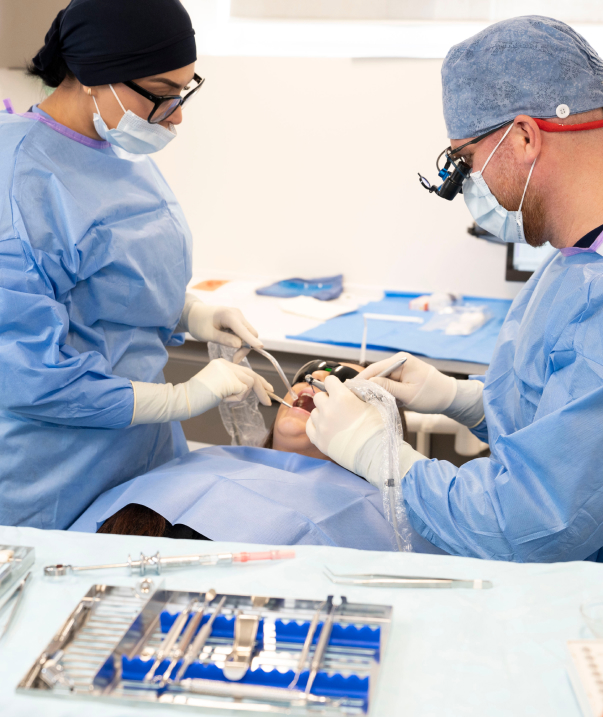
Endodontics allows us to save teeth that would otherwise need to be extracted. When the dental pulp becomes infected due to a deep cavity, trauma, or a faulty restoration, we can perform a root canal treatment. The dental pulp contains the nerves and blood vessels of the tooth.
Under local anesthesia, we remove the damaged pulp, thoroughly clean and disinfect the canal, and then seal it with an inert material before restoring the tooth with a filling or crown. This treatment is generally painless and allows you to keep your natural tooth.
Endodontics allows us to save teeth that would otherwise need to be extracted. When the dental pulp becomes infected due to a deep cavity, trauma, or a faulty restoration, we can perform a root canal treatment. The dental pulp contains the nerves and blood vessels of the tooth.
Under local anesthesia, we remove the damaged pulp, thoroughly clean and disinfect the canal, and then seal it with an inert material before restoring the tooth with a filling or crown. This treatment is generally painless and allows you to keep your natural tooth.
Periodontics services
Protecting the foundations of your smile
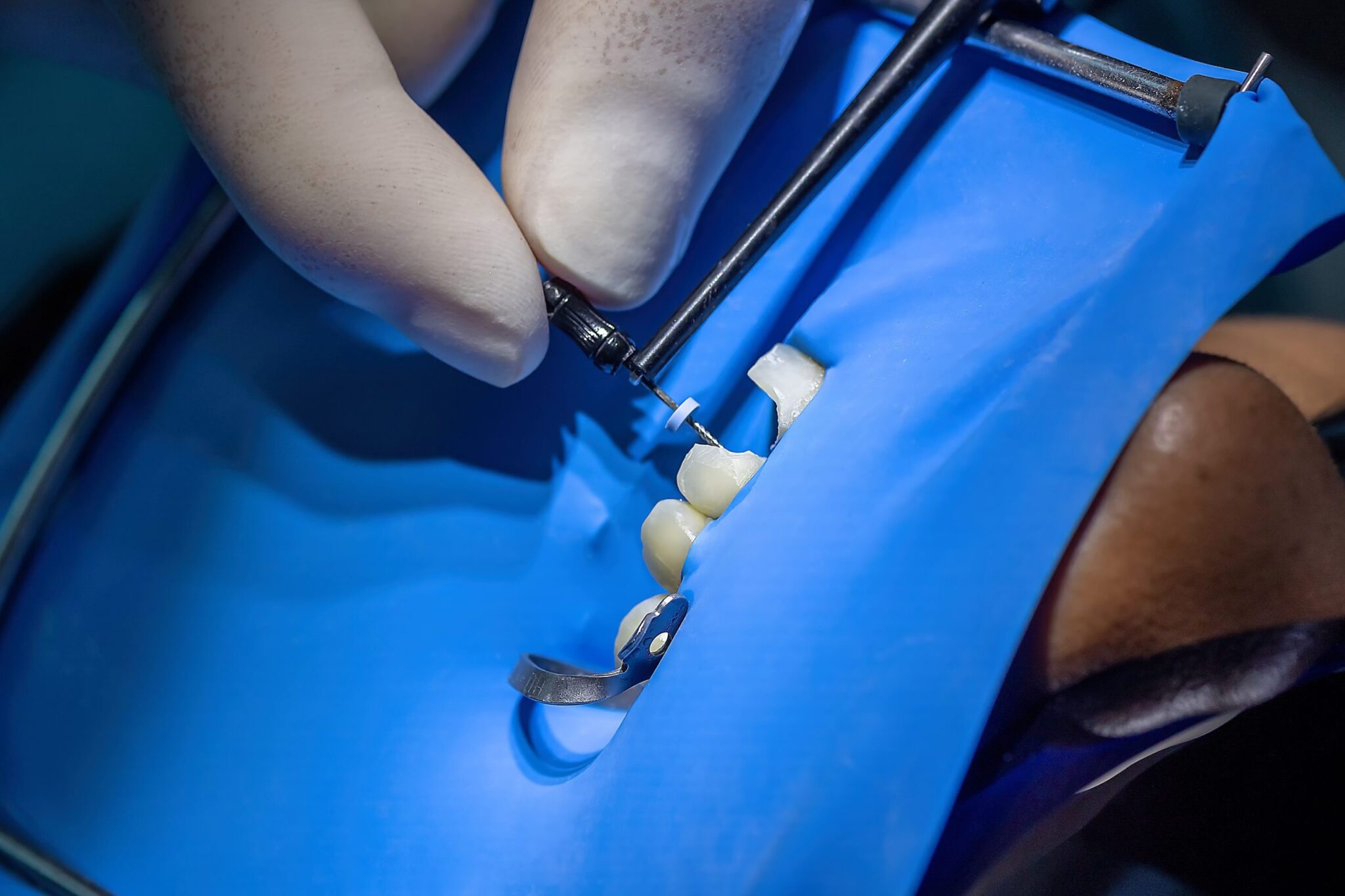
Periodontics treats infections that affect the structures surrounding the teeth: gums, alveolar bone, ligament, and cementum. Periodontal diseases, such as gingivitis and periodontitis, result from the buildup of plaque and tartar, which progress slowly, often without pain or visible symptoms.
During your regular check-ups, we can detect these conditions early. We provide thorough hygiene guidance aimed at slowing or even stopping the progression of the disease and stabilizing your gum health. When needed, this may include deep cleaning under local anesthesia, sometimes combined with our laser technology.
Periodontics treats infections that affect the structures surrounding the teeth: gums, alveolar bone, ligament, and cementum. Periodontal diseases, such as gingivitis and periodontitis, result from the buildup of plaque and tartar, which progress slowly, often without pain or visible symptoms.
During your regular check-ups, we can detect these conditions early. We provide thorough hygiene guidance aimed at slowing or even stopping the progression of the disease and stabilizing your gum health. When needed, this may include deep cleaning under local anesthesia, sometimes combined with our laser technology.
Biopsies
An accurate diagnosis for your peace of mind
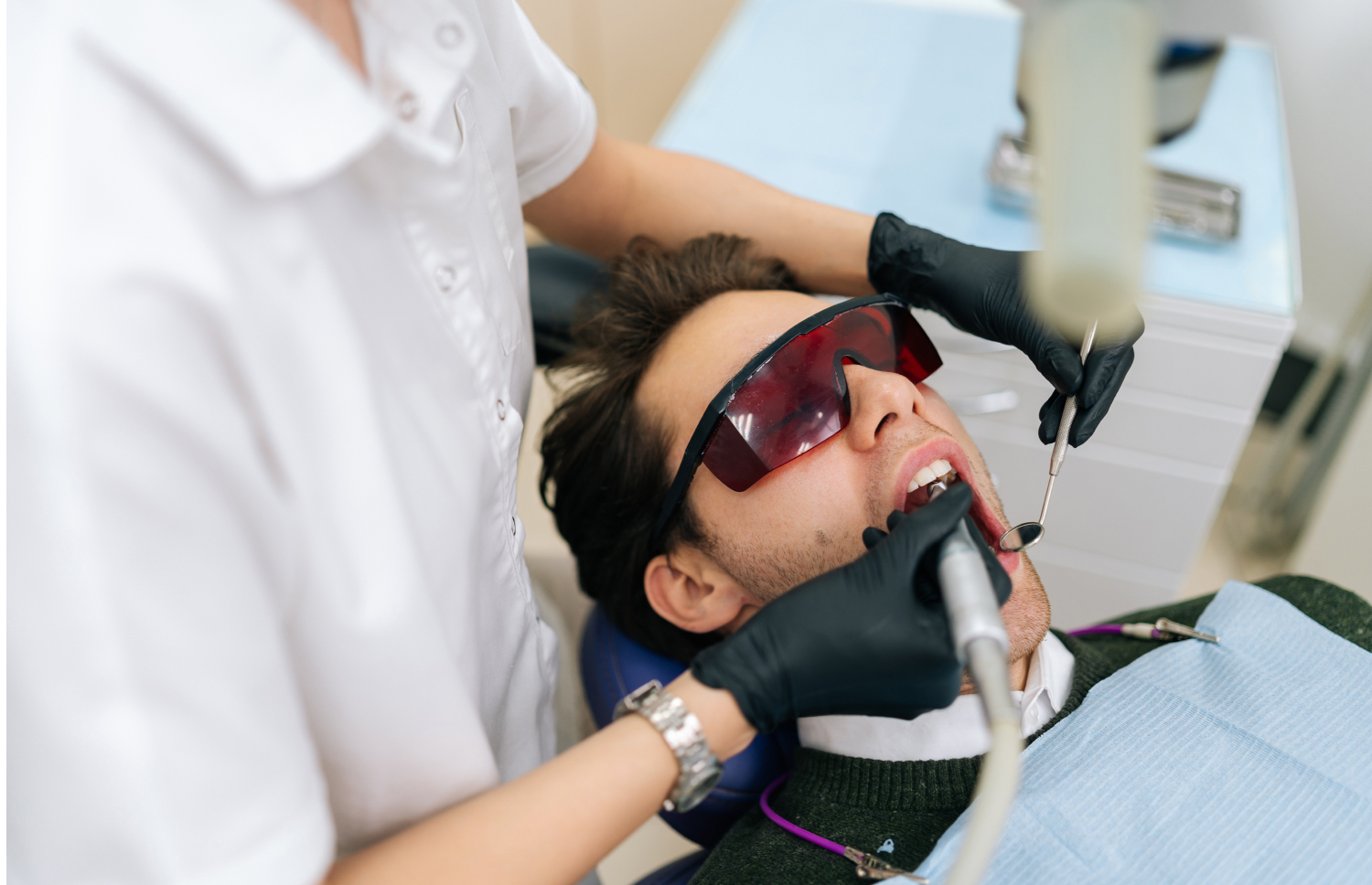
A suspicious lesion in the mouth, an unusual spot, or a persistent lump? A biopsy allows us to accurately identify its nature. This procedure involves taking a small tissue sample for laboratory analysis. We perform this sampling under local anesthesia. It helps diagnose potential abnormalities and establish an appropriate treatment plan.
A suspicious lesion in the mouth, an unusual spot, or a persistent lump? A biopsy allows us to accurately identify its nature. This procedure involves taking a small tissue sample for laboratory analysis. We perform this sampling under local anesthesia. It helps diagnose potential abnormalities and establish an appropriate treatment plan.
Book an appointment
We guide you through every step
Do you have questions about our surgical dental services or want to schedule a consultation? Our team is here to listen, reassure you, and guide you toward the care you need.