
Occlusal splints
Protect your teeth and relieve jaw pain with a custom-made occlusal splint. Designed specifically for your mouth, it helps reduce the effects of bruxism (teeth grinding), eases muscle tension, and prevents dental wear and gum recession.

What is an occlusal splint?
A solution to protect your teeth and relieve pain
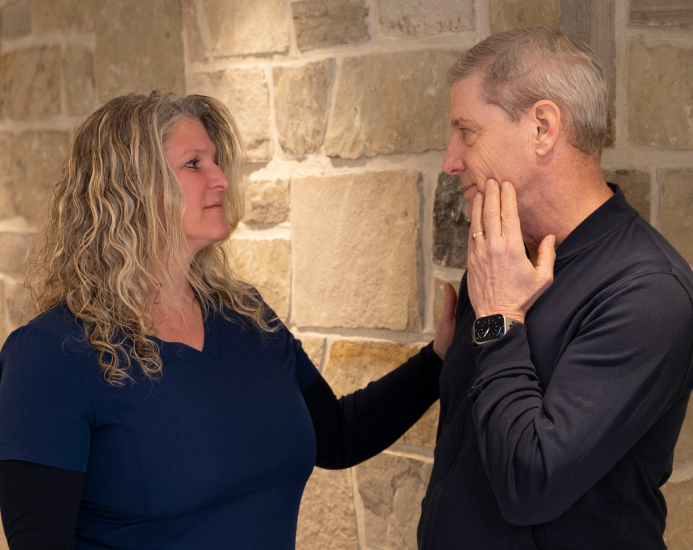
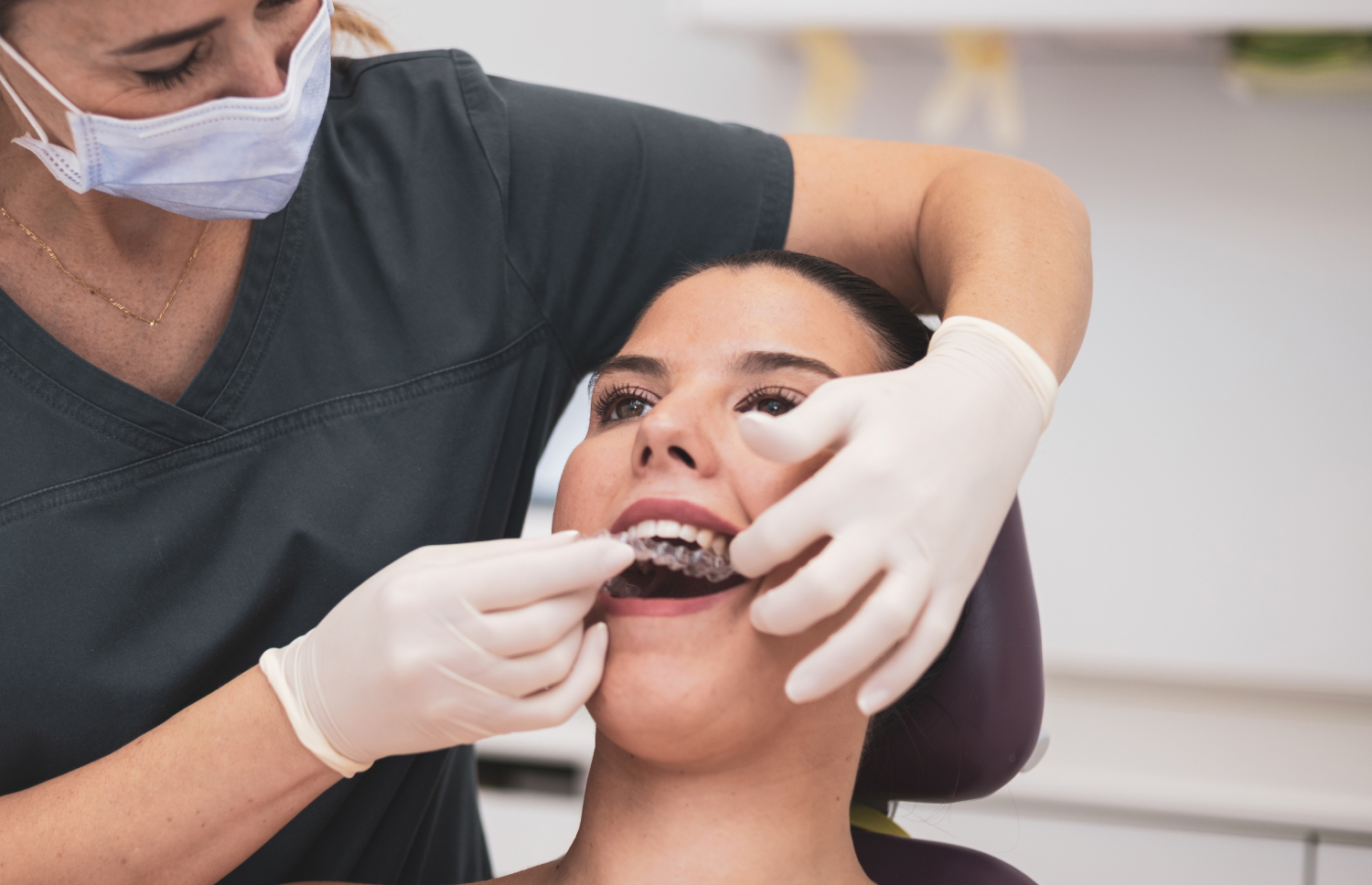
An occlusal splint is a custom-made acrylic mouthguard created from a digital impression, worn on either the upper or lower teeth. It is primarily recommended for individuals who suffer from bruxism or teeth clenching. This device creates a protective barrier between the upper and lower teeth, helping to absorb and distribute the pressure generated by grinding or clenching, thereby minimizing damage. A properly fitted splint can also trigger reflexes that reduce muscle tension.
While an occlusal splint does not cure bruxism or completely stop the habit of clenching or grinding, it protects your teeth from the destructive effects of these behaviors. Additionally, the splint helps relax and relieve tension in the chewing muscles and the temporomandibular joint (TMJ).
Why choose our clinic?
Custom splints and full treatment options
Our large team and extensive expertise, developed at internationally renowned training centers, including the Dawson Academy, Canadian Institute of Occlusion, Pacific Training Institute for Facial Esthetics and Therapeutics, International Dental Institute, and CLEAR Institute, allow us to provide a comprehensive approach to care.
During your consultation, we can design and fabricate a custom occlusal splint and offer complementary solutions tailored to your needs, such as neuromodulator injections (Botox®, Dysport®, Xeomin®), bite adjustment, orthodontics, and more.
Our approach includes:
-
Digital impression technology
-
High-quality materials
-
Optimal comfort
-
Personalized guidance
-
Expert care with a comprehensive approach
-
Attentive follow-up
Post-treatment instructions
How to use and care for your occlusal splint
Wear your occlusal splint every night
For the best results, consistency is key: even one night without your splint can undo several days of progress.
Before wearing it:
- Brush and floss your teeth to avoid trapping bacteria under the splint overnight.
- Insert it gently (it should fit easily and stay securely in place).
Clean it after each use
- After each use, gently brush the splint with mild dish soap.
- Rinse it with cold water, then store it in it’s hard case.
- For a fresher taste, you can use denture-cleaning tablets (such as Novadent) following the product instructions.
Watch for signs of wear
An occlusal splint typically lasts between 2 and 5 years, depending on the intensity of your bruxism and consistent use.
Watch for the following signs of wear:
- Cracks, holes, or thin spots in the acrylic
- Rough or broken edges that irritate your gums
- Splint that no longer fits properly
- Significant discoloration or tartar buildup that cannot be cleaned
- Return of symptoms (jaw pain, headaches, etc.)
Frequently asked questions
Frequently asked questions about occlusal splints
How long does it take to see results?
Most patients notice an improvement in their symptoms within 2 to 4 weeks of consistently wearing their occlusal splint.
However, results vary depending on the severity of your bruxism, how consistently you wear the splint (it is essential to wear it every night), and other factors.
For more severe TMJ disorders, it may take 3 to 12 months to experience relief.
The key is consistency! Even if you don’t see immediate results, the splint protects your teeth from the very first use.
Can I talk or drink water while wearing my occlusal splint?
Yes, you can talk while wearing your occlusal splint, although your speech may be slightly affected at first.
Yes, you can drink water without any problem. In fact, it is recommended if your mouth feels dry during the night.
However, if you want to drink anything other than water, remove the splint, rinse your mouth, and brush your teeth before putting it back in.
Can I eat with my occlusal splint?
No, never eat while wearing your occlusal splint. It is not designed to withstand the forces of chewing and could crack or break. In addition, food particles may get trapped under the splint, increasing the risk of cavities.
Book an appointment
Protect your teeth and relieve pain
Do you grind your teeth at night, suffer from frequent headaches, or experience jaw pain? A custom-made occlusal splint can transform your quality of life. Our team is here to assess your symptoms, design a personalized splint, and guide you throughout your treatment.